Helping the Planet by Recycling Old Cookware
When you open your kitchen cabinets, you're likely to find pots, pans, and baking trays that have seen better days. But did you know that your old cookware poses unique challenges -- and unique opportunities -- for environmental sustainability? Helping the planet by recycling old cookware isn't just a way to clear clutter from your cupboards; it's an important step toward reducing landfill waste, conserving natural resources, and building a greener future.
Why Recycling Old Cookware Matters
Discarded cookware like frying pans, kettles, and baking sheets may seem harmless. However, their fate in landfills tells a different story. Most cookware is made from metals like aluminum, stainless steel, copper, and sometimes non-stick coatings or ceramic. These materials can take hundreds of years to degrade and, during that time, they can leach chemicals and heavy metals into the soil and water.
Here's why recycling old pots and pans is essential:
- Conserves natural resources by reusing valuable metals in new products
- Reduces landfill waste and the environmental hazards that come with it
- Minimizes energy consumption by smelting recycled metals rather than mining new ones
- Helps combat climate change by lowering greenhouse gas emissions from manufacturing processes
*Did you know?* Recycling aluminum saves upwards of 95% of the energy compared to producing it from raw ore.
Types of Cookware You Can Recycle
Recycling opportunities for cookware depend on the materials used and local recycling rules. Understanding what your pots and pans are made of helps determine the best way to recycle them. Common recyclable cookware includes:
- Aluminum pans, pots, and baking trays
- Stainless steel cookware like saucepans, skillets, and mixing bowls
- Copper cookware (though you may need to remove non-metal parts or coatings)
- Cast iron skillets and griddles
Special notes: Non-stick coatings, enamel, and plastic handles can complicate recycling. Always check with your local recycling center for specific requirements.
What About Non-Recyclable Cookware?
Not all cookware can be recycled curbside. Cookware with Teflon or other non-stick coatings, ceramic, Pyrex, or glass might not be accepted because of their complex composition. In these cases, reusing, donating, or upcycling may be better options.
How to Recycle Old Cookware Responsibly
Once you've identified cookware you're ready to part with, consider these steps to ensure it's recycled in an eco-friendly way:
1. Prepare Your Cookware
- Remove non-metal parts. This includes lids, handles, or knobs that aren't metal.
- Clean the cookware. A quick wash is typically enough; it doesn't need to be spotless.
- Separate materials. If your pan is made of mixed materials, see if they can be taken apart for recycling.
2. Find a Local Recycling Center
Many curbside programs do not accept cookware because of its shape, weight, or material. Instead:
- Look for scrap metal recycling facilities. These centers accept ferrous and non-ferrous metals, including most pots and pans.
- Check with local charities. If your cookware is still usable, organizations like Goodwill or Habitat for Humanity ReStores may accept them.
3. Consider Mail-In or Take-Back Programs
Some brands and specialty stores offer take-back or mail-in recycling programs for old cookware. Examples include:
- TerraCycle and local eco-programs that allow you to mail in used kitchen tools for recycling.
- Cookware manufacturers that recycle their own products (check their websites for sustainability initiatives).
Creative Ways to Repurpose Old Cookware
Before recycling, consider whether your cookware could live on in a new form. Repurposing extends the life of each item and keeps it out of the landfill. Here are a few creative options for reusing old pots and pans:
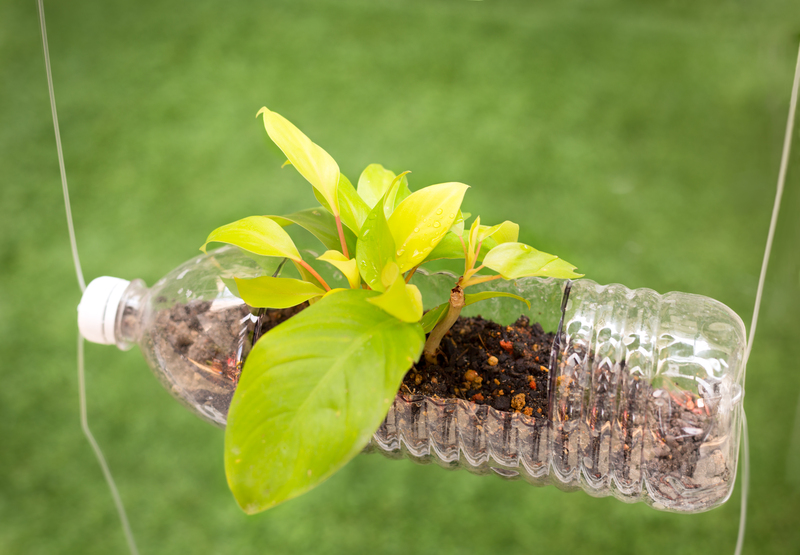
- Planters: Use old saucepans or colanders as quirky planters for herbs or flowers.
- Storage solutions: Cast iron pans can hold keys, mail, or even bathroom toiletries.
- Wall decor: Use interestingly shaped or vintage pans as rustic decor pieces in your kitchen or patio.
- Craft projects: Pie tins can become clocks, and muffin tins can store desk supplies.
- Donations: Give old cookware to schools, community centers, camps, or local theater groups for props or cooking classes.
Buying Eco-Friendly Cookware for the Future
Part of helping the planet by recycling old pans and pots is committing to more sustainable choices in the future. When selecting new cookware:
- Choose durable materials such as stainless steel or cast iron, which last much longer than cheaper alternatives.
- Look for recyclability: Products that are 100% metal (with minimal non-metal parts) are easier to recycle at end-of-life.
- Support sustainable brands: Some companies use recycled content and offer take-back programs.
- Avoid harmful coatings that may render the cookware non-recyclable.
The Environmental Impact of Recycling Cookware
Let's take a closer look at how recycling cookware helps the environment on a global scale:
1. Reduces Mining and Smelting
Mining metals is destructive. It leads to habitat loss, pollution, and huge energy use. By recycling aluminum, steel, and copper from cookware, we cut down on mining and lower the energy and emissions linked to virgin metal production.
2. Less Landfill Waste
Landfills are overflowing, and cookware can take up significant space for decades or even centuries. By diverting these items to recycling, we ease pressure on landfill sites and lower the risk of chemicals leaching into surrounding ecosystems.
3. Circular Economy Benefits
Recycling keeps materials in use, creating a "circular economy" where products are continually reused or repurposed. This reduces resource extraction and waste, while generating green jobs in local communities.
Important Considerations and Tips
To make your efforts in helping the environment by recycling cookware truly effective, keep these tips in mind:
- Don't recycle dirty or food-caked cookware. Rinse pans before bringing them in.
- Check guidelines for non-stick or coated items.
- Remove plastic or wooden handles where possible to facilitate recycling.
- Call ahead to your chosen recycling center to confirm what items they accept.
- Educate your community about proper cookware recycling to multiply positive impacts.
Frequently Asked Questions About Cookware Recycling
-
Can I put old pots and pans in my curbside recycling bin?
Usually not. Most curbside programs do not accept bulky metal items. Use a scrap metal drop-off or special recycling event instead. -
What if my pans have non-stick coating?
Some recycling centers won't accept Teflon/non-stick pans, while others require you to remove the coating first. Always check before dropping them off. -
Is it worth recycling just one or two pans?
Yes! Every bit helps reduce waste and supports the circular economy. -
Can I recycle broken glass cookware like Pyrex?
No. Specialized glass like Pyrex or ceramics usually requires different recycling methods than regular glass.
Conclusion: Every Pan Counts -- Let's Make a Difference
Helping the planet by recycling old cookware isn't just a personal choice; it's a meaningful contribution to a healthier Earth. By understanding what's recyclable, finding the right recycling or reuse outlet, and choosing sustainable cookware in the future, you make an impact that goes far beyond your kitchen. The next time you're ready to toss that battered frying pan, remember: it's more than trash -- it's an opportunity to help the planet.
Start today -- and inspire your friends and family to join you in making every meal, and every pan, part of a greener world!
