Business Waste Removal in Ealing

Business waste removal in Ealing should be straightforward, well organised and suited to the way your premises actually operate. We provide a practical collection service for offices, shops, hospitality premises, managed buildings and other workplaces that need non-domestic waste taken away without disrupting the working day. The service can cover regular clearances or one-off removals, with material separated for recycling where that is appropriate and possible.
Commercial premises often need more than a simple uplift. Different waste streams, access constraints, storage space and building rules all affect how the work is planned. Our approach is to keep the process clear, from the initial discussion through to collection, so you can arrange the removal of unwanted items, mixed refuse and recurring business waste in a way that suits your site. If you already know what needs to go, that helps shape the collection. If not, we can talk through the options and help you decide what is best for the items in question.
For a quick start, it helps to have a rough idea of the volume, the type of waste and where it is stored on the premises. That information lets us match the service to the job more accurately, especially where there are time windows, loading limits or shared access points. If you are comparing ways to clear a workspace, a simple call to action is often enough: tell us what needs removing and request a quotation.
Commercial waste collections for workplaces and shared premises
Businesses generate waste in many forms, from routine bagged refuse to bulky items that have built up over time. We handle collections for day-to-day disposal needs as well as larger clearances, keeping the emphasis on safe handling and tidy removal. The aim is to take away the items you no longer need while leaving the area ready for normal use again, whether that is a back room, storage area, reception space or a full floor of an office.
There is often a difference between an occasional clearance and a recurring collection arrangement. Occasional jobs may involve accumulated waste after a refit, move or storage clean-out, while ongoing collections are better suited to premises that produce regular commercial rubbish. If you need a structured approach, it can be useful to review the wider business waste removal service alongside the practical collection options. A short discussion about the likely volume and the access available usually makes the next step much easier.
We also deal with different categories of material where they fall within the service scope, including general non-hazardous business waste, packaged rubbish and unwanted items from working areas. The focus is always on safe handling, sensible sorting and efficient removal. If your premises produce several waste streams, it is often better to plan each one clearly rather than leave everything mixed together. Clear separation can make the collection smoother, particularly where some items should be recycled or handled separately from ordinary waste.
Office waste removal and workspace clearances

Office waste removal needs a careful, unobtrusive process so desks, meeting rooms and storage areas can be cleared without creating unnecessary disruption. We can remove unwanted office furniture, general workplace clutter, archived material that is ready for disposal and mixed waste left behind after an internal move or rearrangement. The service is designed for practical use in real working environments, where access, timing and building procedures all matter.
Some offices only need a small clearance, while others need a more substantial sweep of several rooms or an entire floor. The work may include items from storage cupboards, unwanted equipment, broken fittings or obsolete presentation materials. If you are considering how to organise a wider clearance, the office clearance page gives a useful starting point for the kind of removal work that may be involved. For many customers, the main value lies in reducing clutter so the space can be used more efficiently again.
When arranging an office collection, it helps to think about items that must stay in place, anything that needs to be segregated and the easiest route in and out of the building. You do not need a perfect inventory, but a sensible overview can help shape the quotation. A few accurate details are usually enough: the number of rooms, the approximate amount of waste and any site rules that affect access. That keeps the enquiry focused and avoids unnecessary delay.
Sorting materials and planning responsible disposal
Good business waste removal is not just about loading a vehicle. It also depends on deciding what the waste is, how it should be handled and where it should go next. Some items are suitable for recycling, some need careful separation, and some are best kept apart because of their material type or condition. Our service is built around those practical decisions, with the aim of keeping the process orderly from start to finish.
Where recycling is appropriate, the collection can support a more measured approach to disposal. That may include separating cardboard, metal, office fixtures or other recoverable materials from the general waste stream. If sustainability is an important part of your decision-making, the recycling and sustainability information explains more about the principles behind responsible disposal choices. Not every item can be treated in the same way, so the most useful approach is to match each material to the correct method.
Planning matters most when the waste is mixed, because mixed loads often require closer sorting before removal. That is especially relevant where a site has accumulated several different item types over time. A sensible structure is to identify what can be reused, what can be recycled and what should be removed as general waste. If you are preparing to request a quotation, a brief list of the main categories is often more useful than a long description of every small item.
Items commonly included in commercial removals
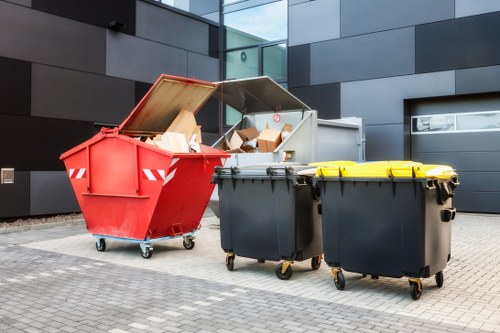
Business waste removal can include a broad range of non-domestic items, provided they are within the accepted service scope and suitable for safe handling. Typical removals may involve office chairs, desks, shelving, packaging waste, broken fixtures, general rubbish and items that have become surplus after a refit or change of layout. In some cases, businesses want certain larger items taken away alongside smaller waste so that the room can be cleared in one visit rather than in stages.
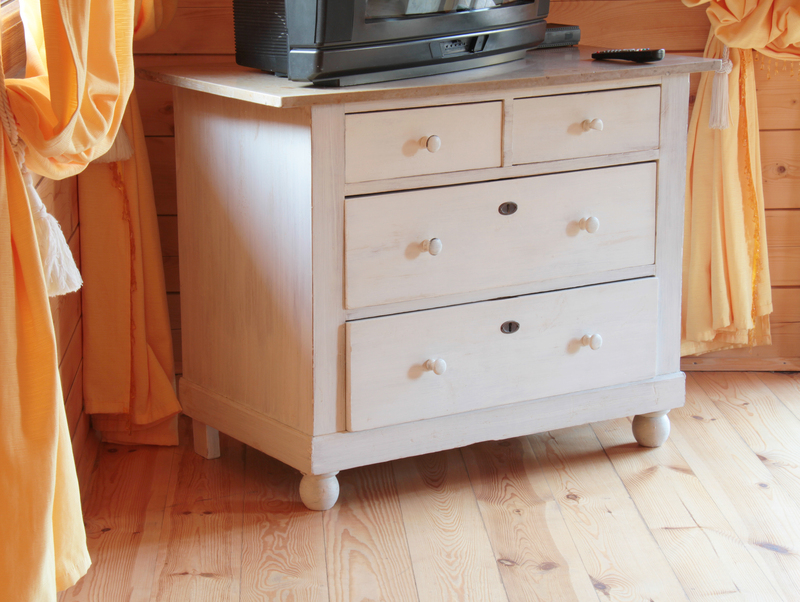
It is helpful to think about the destination of each item before the collection takes place. Some things are simply disposable, while others may have useful material value or need a separate route. Our related furniture clearance service can be relevant where the work centres on bulky pieces from commercial interiors, whereas the broader collection may suit mixed waste and smaller loose items. Choosing the right service shape can make the arrangement more efficient and easier to quote for.
A concise list can be enough to guide the conversation: what is being removed, whether it is loose or bulky, and which rooms or storage areas it is coming from. If there are fragile surroundings, narrow corridors or shared building access, mention that too. Useful information is often the simplest information, especially when the aim is to keep the job straightforward and avoid unnecessary back-and-forth before collection is arranged.
Pricing factors and what affects a quotation
Quotations for business waste removal usually depend on a few practical factors rather than a single fixed formula. The volume of waste, the type of items, how easy they are to access and whether any sorting is required can all affect the scope of the work. A smaller, neatly grouped load is different from a mixed clearance spread across several rooms, so it makes sense for the quotation to reflect the actual job rather than a generic estimate.
Other elements may also matter, such as whether the items are on one floor or several, whether parking or loading arrangements are straightforward and whether there are building rules that affect timing. If you want a detailed view of the factors that may influence cost, the pricing and quotes page is the best place to start. It is often the clearest way to understand what information will help create a more accurate quote for the work.
To keep the process efficient, it is usually enough to provide a short description of the waste, an approximate amount and any access considerations. You do not need to over-explain. A practical quotation is built from practical detail, not from speculation. If you are ready to take the next step, request a quotation and use the conversation to confirm what is included, how the collection will be organised and whether any separate handling is required.
Housekeeping for sites, access and collection day
Before a collection, a few simple checks can make the work smoother without turning the process into a major task. Make sure the items to be removed are identified clearly, keep the route accessible where possible and note anything that could affect safe handling. For example, some premises have shared entrances, limited parking or set delivery windows that need to be respected. Those details matter because they help the collection fit the site rather than the other way round.
If your business has items stored in different places, it can help to group them by category or by room before the collection day. That makes it easier to confirm what should be taken and what must stay. The book online page may suit customers who want a quick way to move from planning to arranging a visit, although a direct enquiry is still fine if you prefer to discuss the job first. The important point is to keep the instructions clear enough that the collection can proceed without confusion.
Try to avoid mixing waste that needs separate attention with ordinary rubbish unless you have already decided that it is suitable for the same uplift. If there are items with cables, components or packaging attached, mention that in advance. Small operational details can save time on the day, especially in workplaces that are still open to staff, visitors or deliveries. A little organisation usually leads to a smoother and tidier clearance.
About Ealing
Ealing is a district in west London with a long-established identity shaped by village origins, suburban growth and later transport links. Historically, it developed from a rural settlement into a more built-up place during the 19th and early 20th centuries, helped by railway expansion and the wider spread of London’s suburbs. Today it is known for a mix of civic buildings, residential streets, shopping areas and green spaces, with Ealing Broadway acting as a major focus for movement and commerce. The district sits within the London Borough of Ealing and includes a variety of neighbourhoods, each with its own character. Many local streets retain the scale and layout of earlier suburban planning, while larger roads and transport corridors reflect the area’s later growth. Walpole Park is one of the best-known open spaces in the district, linked with Pitzhanger Manor, the former country house and architectural landmark associated with Sir John Soane. The area also has a strong cultural profile, especially through its long-running connection with film production at Ealing Studios, one of the world’s oldest continuously operating film studios. Churches, schools, local parks and retail streets add to the district’s everyday character, and the combination of historic features and modern development gives Ealing a layered urban fabric. Its position in west London, together with the mix of civic, residential and commercial activity, makes it a notable part of the capital rather than a single-purpose suburban centre.
Specialist removals for bulky or difficult items
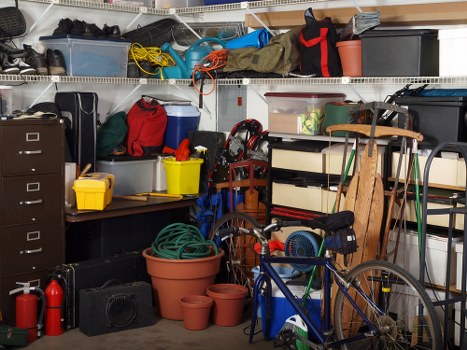
Some business waste is awkward rather than simply heavy. Large reception furniture, broken storage units, worn fittings and bulky stockroom items may need extra care when they are being removed. The service is organised to deal with those practical difficulties in a controlled way, with attention to safe lifting and the protection of surrounding surfaces. If you are clearing a work area that contains a mixture of large and small waste, it is often easiest to plan the bulky items first and then decide how the rest should be handled.
Specialist removal can also be useful where the items are no longer in a usable condition, but still need to be taken away neatly. In some cases, a furniture disposal option is the best fit for items that are at the end of their life and ready to leave the premises. That is a different decision from simply moving objects around the building, because disposal requires a proper route out of the workspace and a sensible handling plan for the material involved.
If your premises contain mixed bulky waste, it is wise to check whether any parts should be separated before collection. Broken furniture, loose panels, metal frames and attached fittings may all be handled differently depending on the job. Clear identification at the start supports a cleaner outcome. The more you can say about the shape and quantity of the items, the easier it is to organise the removal in a way that feels efficient rather than disruptive.
How mixed business waste is managed
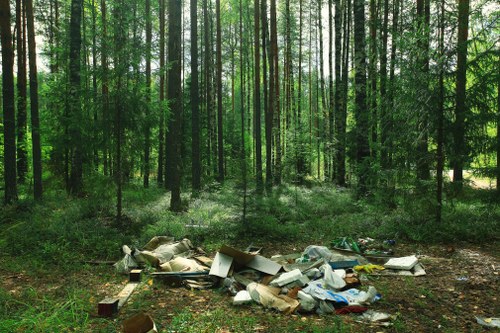
Mixed business waste needs more careful handling than a single-item collection because different materials often require different decisions. Office offcuts, packaging, obsolete equipment, damaged furnishings and general rubbish may all be present in one clearance, but that does not mean they all follow the same route. The aim is to separate useful material where appropriate, remove the rest safely and keep the job well ordered from the first load to the last.
For premises that generate a variety of waste types, it can be useful to consider the wider removal service alongside more specific pages such as waste removal or the more focused builders waste clearance when refurbishment debris is part of the picture. Each page reflects a different pattern of work, so choosing the closest fit helps set expectations accurately. Where the waste is mostly ordinary commercial material, the general business collection remains the most direct option.
Requesting a quotation is usually the best next step once you know the type of waste and the approximate scale of the job. Keep the message practical: say what needs removing, where it is located and whether there are access points or site rules that matter. If you would rather talk through the arrangement first, that is fine too. The service is intended to make business waste removal in Ealing simple to organise, clear to understand and ready to move forward in a sensible way.