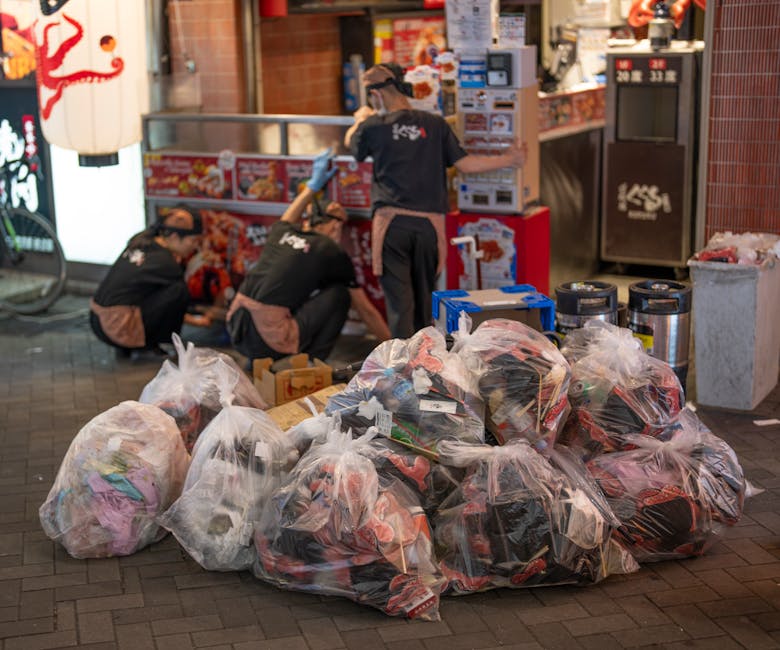
West Ealing shop rubbish removal guide

If you run a shop in West Ealing, rubbish has a habit of appearing from nowhere. One day it is a few cardboard boxes and broken hangers; the next it is a full back room of packaging, old displays, damaged stock, and the odd stubborn appliance that nobody wants to lift. This West Ealing shop rubbish removal guide is here to make the whole thing feel simpler, safer, and far less chaotic. You will find how shop waste collection usually works, what to watch out for, how to avoid common mistakes, and when it makes more sense to book a professional clearance rather than trying to piece it together yourself.
Truth be told, most shop waste problems are not dramatic. They are just annoying, time-sensitive, and slightly messy. That is exactly why a clear plan helps.
Why West Ealing shop rubbish removal guide Matters
Shop waste is not just "rubbish". In a retail setting it often includes cardboard, plastic wrap, unwanted shelving, damaged stock, old signage, broken fittings, food packaging from staff areas, and sometimes electrical items or confidential paperwork. In a busy place like West Ealing, where footfall can vary through the day and shop space is at a premium, unmanaged waste quickly becomes a nuisance.
It matters for three very practical reasons. First, clutter gets in the way of trading. A stockroom full of waste slows down receiving deliveries, makes stock checks harder, and can even create trip hazards. Second, waste piles up quickly if you are opening, refurbishing, or restocking after a seasonal push. Third, the wrong disposal approach can leave you with avoidable compliance headaches. Nobody wants that on a Monday morning.
There is also the customer-facing side. A tidy shop looks organised and trustworthy; a cramped rear entrance with overflow sacks and flattened boxes does not. Even if customers never see the back room, your team feels the impact every day. That little background stress adds up.
Expert summary: The best shop rubbish removal plans are the boring ones, in a good way. They are simple, repeatable, and matched to the way your business actually operates.
How West Ealing shop rubbish removal guide Works
At a practical level, shop rubbish removal usually follows a straightforward pattern: identify the waste, separate the waste types, decide what can be reused or recycled, and arrange collection or removal in a way that fits your trading hours. The process is not complicated, but it does reward a bit of forethought.
For a small independent retailer, this might mean bundling cardboard daily, setting aside damaged stock for review, and arranging a single collection when the back area starts to fill. For a larger shop or a business undergoing a refurbishment, the process can look more like a phased clearance: one visit for fittings and display items, another for packaging and general waste, and a final tidy-up once the work is done.
Professional waste removal services normally assess what needs shifting, estimate the volume, and then remove the items in one go or over staged visits. That can be particularly useful if you are dealing with bulky waste or awkward items that are difficult to move through narrow entrances, basement steps, or shared service corridors. West Ealing shopfronts are not all the same, and the access can be a real factor. A careful team will notice that quickly.
If your shop waste includes old furniture, office chairs, fixtures, or electronics, it can help to look at related disposal options such as office clearance, furniture disposal, or fridge and appliance removal depending on the item type. That way, you are not trying to force everything into one awkward disposal method.
Key Benefits and Practical Advantages
The real value of organised shop rubbish removal is not just "getting rid of stuff". It is the extra space, the smoother workflow, and the quieter headspace that comes with it. When your waste is under control, the shop tends to run better. Simple as that.
- Better use of limited space: Small retail stockrooms get crowded fast. Removing surplus waste frees up storage and makes deliveries easier to handle.
- Improved safety: Loose packaging, broken packaging strapping, and stacked items can create trip hazards or block access routes.
- Cleaner presentation: A tidy premises helps staff stay focused and gives customers a better impression of the business.
- Less interruption: Planned removal is usually far less disruptive than trying to do a big clear-out while the shop is still trading.
- Smarter sorting: Recyclable material, reusable fixtures, and general waste can be separated properly instead of being thrown together.
- More predictable costs: When you know what is being removed and how much of it there is, there are fewer surprises.
There is also a calmness factor that people forget. You walk into the shop, look at the space, and do not get hit by a wall of cardboard and broken display bits. That matters more than it sounds.
Who This Is For and When It Makes Sense
This guide is for anyone responsible for a retail premises in West Ealing: independent shop owners, managers, landlords, franchise operators, and even contractors handling a unit turnover. If you are dealing with waste from day-to-day retail operations, refits, stock changes, or end-of-tenancy clearances, you will probably recognise the same basic challenge: rubbish grows quietly until suddenly it does not fit anywhere.
It makes sense to arrange shop rubbish removal when:
- the stockroom is full of packaging and cardboard;
- you are replacing shelving, counters, or display units;
- you have damaged, unsold, or returned stock to dispose of;
- you are closing, relocating, or refurbishing the unit;
- you have bulky items that staff cannot safely move;
- you need a tidy-up before an inspection, sale event, or lease handback.
Sometimes the trigger is obvious. Other times it is just a feeling that the place is getting heavier to work in. You know the one. The back room starts to smell faintly of dust and old tape, and every item you need is hidden behind something else. That is usually the moment to act.
Step-by-Step Guidance
Here is a clean way to approach shop rubbish removal without overcomplicating it.
- Walk the whole premises. Check the sales floor, stockroom, cellar, staff area, rear yard, and any storage cupboards. Waste tends to hide in more than one place.
- Group items by type. Separate cardboard, plastics, general refuse, furniture, electrical items, metal shelving, and anything that may need specialist handling.
- Identify what can be reused. Some fittings, hangers, baskets, storage crates, and shelves can be reused or passed on rather than thrown away.
- Flag anything awkward or risky. This includes heavy units, sharp broken fixtures, old electronics, and anything you are unsure about. Better to ask than guess.
- Measure the volume roughly. You do not need engineering precision. Just think in terms of how many bags, stacks, or bulky items there are.
- Choose the collection approach. Decide whether a simple clearance visit, a staged removal, or a broader business waste service is the best fit. For regular retail waste, business waste removal can be a useful ongoing option.
- Schedule around trading hours. If your shop is busy in the morning, book for a quieter slot. The best time is the time that does not annoy your customers or your staff.
- Prepare access. Move boxes away from doors, keep corridors clear, and make sure the team can reach the waste without weaving through stock.
- Check the area once it is done. A final sweep catches small scraps, loose tape, and stray packaging ties. Tiny stuff, yes, but it makes the result look finished.
If your clearance also includes old stockroom furniture, damaged counters, or broken seating, it may be worth combining the visit with mattress and sofa disposal or furniture clearance where relevant. That can save time compared with handling each category separately.
Expert Tips for Better Results
In our experience, the best shop clear-outs happen before waste becomes a crisis. That is the first tip, and probably the most useful one.
Keep a rolling waste zone. Pick one corner of the back room for recyclable cardboard, one for general waste, and one for items waiting decision. It sounds tiny, but it stops waste spreading everywhere.
Use the "one-touch" rule. If you pick up a broken display item, decide right then whether it is being kept, recycled, repaired, or removed. Half-decisions create clutter. Clutter creates more clutter. Bit of a chain reaction.
Book around delivery cycles. If stock deliveries arrive on Tuesdays, do not arrange a removal that blocks the same access point. It is one of those small mistakes that causes a lot of muttering.
Protect staff time. A commercial clearance should reduce pressure on your team, not create a second shift of unpaid sorting. If your people are already flat out, let the removal team handle the lifting.
Think about seasonal peaks. After Christmas, a sale period, or a refit, rubbish usually spikes. If you know this pattern, plan for it. The shop will feel easier to manage, honestly.
Take photos before collection. Not for show. Just to help with planning, especially if you are comparing options or want a clearer picture of volume before a visit.
Common Mistakes to Avoid
Most problems in shop rubbish removal come from rushing, not from bad intent. A few classic errors show up again and again.
- Mixing everything together: It is tempting to throw all waste into one pile, but mixed waste is harder to process efficiently and can create avoidable cost.
- Leaving waste in shared access areas: In busy retail streets or shared buildings, this can block movement and create complaints fast.
- Underestimating bulky items: One old counter or heavy shelving unit can change the whole job. It is not just about bag count.
- Ignoring specialist items: Fridges, certain electricals, and any potentially hazardous materials should be handled carefully rather than tossed in with ordinary rubbish.
- Booking too late: If the waste is already affecting trading, leaving it another week usually makes the job harder.
- Forgetting the back-of-house areas: Staff rooms, storage cupboards, under-stair spaces, and exterior yards are common hiding spots.
Another quiet mistake? Assuming all waste can go the same way. It rarely does. If you have any item that might need a different route, check it first rather than hoping for the best.
Tools, Resources and Recommendations
You do not need much kit to prepare shop rubbish for collection, but the right basics help.
- Heavy-duty sacks or bins for loose general waste and packaging remnants.
- Cardboard flattening tools such as a box cutter or safe utility knife, used carefully.
- Gloves and sturdy footwear for staff handling awkward waste.
- Labels or marker pens to mark items for reuse, recycling, or disposal.
- Tape and straps for bundling cardboard or keeping loose materials together.
- A simple checklist so nobody forgets a storage cupboard full of old stock.
If you want to understand disposal choices a bit better, the site's recycling and sustainability page is a sensible place to read more about why sorting matters. And if you are trying to decide what could be loaded with a skip rather than a direct collection, what can go in a skip can help you think through the basics.
For owners comparing removal options, it is also worth reviewing pricing and quotes and payment and security so there are no awkward surprises later. Nobody likes discovering the details after the job has already started.
Law, Compliance, Standards, or Best Practice
For shop waste in the UK, the broad best-practice rule is straightforward: keep waste controlled, separate special items where needed, and use a responsible route for disposal or recycling. If your waste includes electrical equipment, confidential paperwork, or anything potentially hazardous, it needs extra care. That may sound obvious, but in a back room on a busy day, obvious things are exactly what get missed.
You should also think about site safety and access. Waste should not block emergency routes, create stacking hazards, or obstruct staff movement. If staff are handling heavy loads, awkward shapes, or sharp broken items, sensible manual handling practices matter. A cautious approach is better than a heroic one. Honestly, nobody needs a comedy injury from a bent metal shelf.
If your clearance involves sensitive items, such as old till paperwork, customer records, or archive material, confidential disposal should be handled separately. For some businesses, confidential shredding is the cleaner route. If the job involves more unusual risk items, such as old chemicals, cleaning residues, or other restricted materials, check whether hazardous waste disposal is the right route before anything moves.
Good practice also includes insurance awareness and clear communication. When contractors are on site, it is sensible to know what they are covering, how they work, and how access will be managed. The company's pages on insurance and safety and health and safety policy exist for exactly that reason.
Options, Methods, or Comparison Table
If you are deciding how to clear shop rubbish, there are usually three main routes. The right one depends on volume, item type, frequency, and how much disruption you can tolerate.
| Method | Best for | Pros | Watch-outs |
|---|---|---|---|
| Ad hoc collection | One-off tidy-ups, small stockroom clearances | Flexible, simple, fast to organise | Can become inefficient if waste keeps recurring |
| Scheduled business waste removal | Regular retail waste, cardboard, packaging, ongoing needs | Predictable, tidier premises, less backlog | Needs routine and good waste segregation |
| Full shop clearance | Refits, closures, relocations, end-of-lease jobs | Removes bulky items and mixed waste in one go | Requires more planning and access preparation |
There is no perfect method for every shop. A small gift shop with weekly cardboard may do well with a regular collection arrangement, while a retailer replacing all its fixtures may need a one-off clearance plus specialist furniture handling. If you are unsure, compare the actual waste you generate over a normal fortnight. That usually tells the truth better than guesswork.
Case Study or Real-World Example
Here is a simple example from the kind of job that comes up all the time. A West Ealing convenience shop had built up a back-room pile of flattened cardboard, broken plastic crates, a damaged drinks fridge, and several old display units after a small refit. Nothing dramatic on its own. But together, it was eating the only storage space they had.
The owner first tried to work around it by moving items from corner to corner. That lasted about two days. Then deliveries started arriving, staff had nowhere to stage stock, and the rear fire exit area became awkward to keep clear. Not ideal.
The practical fix was simple: sort the cardboard separately, flag the fridge for appliance removal, bundle the display pieces for furniture clearance, and remove everything in a single planned visit. The difference afterwards was immediate. The stockroom looked larger, staff moved faster, and deliveries were easier to process. A bit boring perhaps, but in retail boring can be brilliant.
That is often the real outcome of shop rubbish removal. Not drama. Just a shop that works properly again.
Practical Checklist
Use this before you book a clearance or schedule a collection:
- Have you identified all waste areas in the shop?
- Have you separated cardboard, plastics, furniture, electrical items, and general waste?
- Is there anything fragile, sharp, heavy, or restricted?
- Do you know whether any items need confidential or hazardous handling?
- Is access clear from the collection point to the waste?
- Have you chosen a time that will not disrupt trading too much?
- Have you checked whether any fixtures or stock could be reused or donated internally?
- Do you have a rough idea of volume and item count?
- Have you reviewed the provider's approach to safety, payment, and recycling?
- Have you planned a final sweep once the waste is taken away?
If you can tick most of those off, you are in good shape. If not, that is fine too. The point of a checklist is to spot the missing bits before they turn into a hassle.
Get a free quote today and see how much you can save.
Conclusion
A good shop rubbish removal plan is less about "clearing waste" and more about keeping your retail space usable, safe, and ready for customers. In West Ealing, where shops often work within tight spaces and busy schedules, that practical side really matters. If you separate waste properly, plan access carefully, and choose the right clearance method, the whole job becomes much easier than people expect.
The key is not to wait until the stockroom is groaning. Start small, stay steady, and treat waste as part of daily shop management rather than a problem you only notice once it is in the way. That mindset saves time, money, and a fair bit of stress. And yes, your future self will thank you for it.
When the clutter is gone and the floor is clear, the shop just feels lighter. That is usually the moment you realise the job was worth doing properly.
Frequently Asked Questions
What counts as shop rubbish in West Ealing?
Shop rubbish can include cardboard, plastic wrap, damaged stock, broken shelving, display units, packaging straps, old furniture, electrical items, and general back-room waste. The exact mix depends on the type of shop, but retail waste usually builds up in more categories than people expect.
How often should a shop arrange rubbish removal?
That depends on how quickly waste builds up. Some shops need weekly or regular business waste removal, while others only need occasional clearances after deliveries, sales periods, or refits. If waste starts affecting storage or access, it is probably time.
Can shop waste be removed outside opening hours?
Often, yes. Many shops prefer early morning, late evening, or quieter trading windows so customers are not disrupted. It is best to plan the timing around deliveries, staff availability, and access routes.
What should I do with old shop furniture and display units?
Old counters, shelving, seating, and display units are usually best treated as bulky waste or furniture clearance items rather than mixed general rubbish. Separating them early makes the removal cleaner and often more efficient.
Are electrical items handled differently?
Yes. Electrical items such as fridges, tills, lights, and other appliances may need a separate removal route. If in doubt, treat them as specialist waste rather than placing them with general rubbish.
Do I need to sort recyclable materials before collection?
It is strongly recommended. Cardboard, some plastics, metal fixtures, and reusable materials are easier to process when separated. Good sorting usually makes the overall clearance smoother and more responsible.
What if I have confidential paperwork in the stockroom?
Confidential paperwork should not be mixed with normal rubbish. A separate confidential shredding route is the safer and more professional option, especially for customer records, invoices, or staff documents.
How do I know whether waste is hazardous?
If waste includes chemicals, contaminated materials, or items that may pose a safety risk, pause and check before moving it. Hazardous waste should be handled carefully and on the right disposal route. When in doubt, do not guess.
Is shop rubbish removal better than hiring a skip?
It depends on access, item type, and how much waste you have. A skip can work well for certain loads, but a removal service is often better for bulky items, mixed waste, and busy premises where you want less disruption. If you are comparing options, it helps to review what can go in a skip first.
How can I keep the stockroom tidy after the clearance?
Set a fixed waste zone, flatten cardboard regularly, label separate waste streams, and avoid letting old fittings or damaged stock drift into storage areas. Small habits make a big difference, and they are easier to keep than one giant tidy-up every few months.
What should I check before booking a provider?
Look at pricing clarity, payment security, safety practices, insurance cover, recycling approach, and whether the company can handle the specific type of waste you have. A little checking up front saves a lot of awkwardness later.
Who should I contact if I need help with a shop clearance?
If you want to discuss the job, ask questions, or arrange the next step, use the site's contact options on contact us. For a broader look at the business and how it works, about us is also useful.