Complaints Procedure for Business Waste Removal Ealing
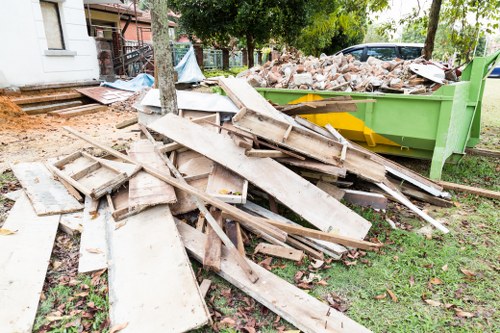 This document sets out the official complaints procedure for clients using business waste removal services in the service area. It applies to all commercial and retail customers who have concerns about collection, disposal, hazardous waste handling or site behaviour by operatives. The process is designed to be clear, proportionate and fair: we aim to acknowledge, investigate and resolve issues without delay while protecting health, safety and environmental obligations. The policy uses plain language and establishes expected timescales and remedies for different complaint categories.
Our approach to handling a report or dispute is guided by a few core principles: impartiality, transparency and continuous improvement. Any complaint raised will be logged, given a unique reference and assigned to an investigator who is independent of the operational team where practicable. We will treat sensitive information confidentially and will follow record-retention rules consistent with regulatory requirements. Customers are encouraged to provide clear details and any supporting evidence to speed up resolution.
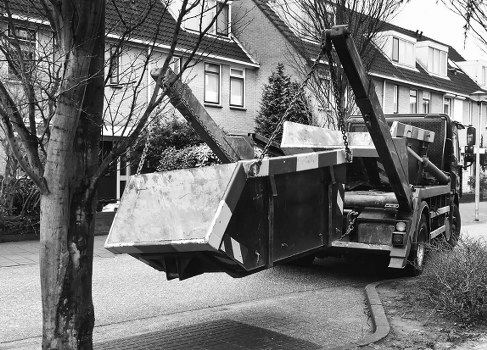 The scope covers commercial waste collection, disposal, skips and bulky removal services, transfer station handling and ancillary activities such as vehicle access or on-site conduct by staff. It excludes contractual disputes that are already the subject of active legal proceedings or claims that require determination under insurance settlements. If a concern involves potential environmental harm or health risk, the case will be escalated immediately to a senior manager and, if required, reported to the appropriate regulatory authority in accordance with statutory duties.
How to raise a complaint: initially, clients should report the issue by the route specified in their service terms — typically through an account representative or the formal complaints channel noted in contract documentation. When submitting a complaint, include: date and time of incident, location, vehicle or crew identification (if known), a description of the problem and any photographic evidence. Clear information reduces investigation time and helps us reach an effective resolution.
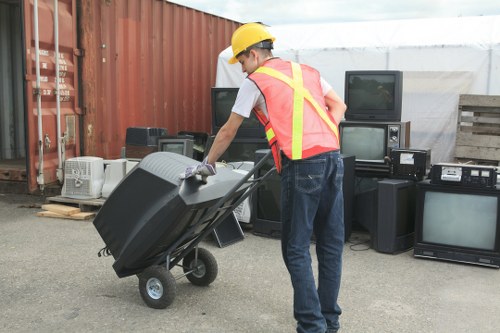 The formal complaint handling process follows these stages: acknowledgement, investigation, decision and closure. On receipt we will send an acknowledgement with a case reference within two business days. The investigation will gather facts, review CCTV or collection logs where available, interview staff and assess whether contractual or statutory standards were breached.
Expected response times vary by complexity. Simple administrative errors will usually be addressed within five working days. Operational incidents that require site inspections, third-party liaison or specialist testing may take up to 20 working days. If the investigation cannot be concluded within the initial timeframe we will notify the complainant, explain the reason for the delay and provide a revised target date for conclusion.
The outcome options include remedial action, formal apology, service credit, repeat collection or corrective on-site measures. In matters involving health and safety or environmental risk we will take immediate interim steps to mitigate harm while the full investigation continues. Where a service failure is demonstrated, remedies aim to restore service levels and compensate for direct losses where appropriate under the contract.
 If a complainant is dissatisfied with the outcome, an internal review can be requested within 14 days of the final decision. The review will be conducted by a senior manager not previously involved in the case. Requesting a review should include the original case reference and a written statement explaining the grounds for dissatisfaction and any new evidence. The reviewer will reassess the case, and their determination will be documented and provided to the complainant as the organisation's final internal position.
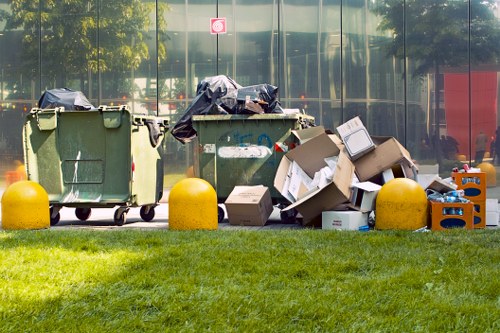 Records: all complaints and records of investigations, correspondence and outcomes are retained in line with corporate record retention policies and applicable regulation. We use complaint data to identify trends and implement training, process changes or equipment upgrades to prevent recurrence. Audits of the complaints process are carried out periodically to ensure consistency and fairness across all commercial waste and rubbish collection contracts.
Appeal and external review
Where a contractual or statutory remedy has been exhausted but a party remains dissatisfied, they may refer the matter to any independent dispute resolution mechanism specified in their contract or pursue legal remedies under applicable law. Our procedure does not restrict access to such independent adjudication. For environmental breaches that pose a public risk, the relevant regulatory body can be notified in accordance with statutory reporting obligations.
Recording and continuous improvement
Complaints are a key source of learning. Each closed case is reviewed for lessons learned and, where appropriate, translated into staff briefings, updated operational instructions or amended contractual terms. Continuous improvement ensures our commercial refuse removal operations remain compliant and responsive to customer expectations. Customers can expect periodic summaries of complaint-handling performance in contract governance reviews.
This complaints procedure is intended to be fair, accessible and proportionate for clients using business waste disposal, commercial refuse removal and related services. It represents our commitment to accountability and high standards of service delivery across the service area without affecting statutory rights.
